
AUM contributes to study of family duties and close relationships across 100 cultures
American University of Mongolia’s Robert Ritz collected the Mongolian data for a study of 12,247 people across 100 cultures, published in Nature Human Behaviour on 15 September 2026. The study proposes a more precise way to understand collectivism: the obligations people feel toward family and close friends.
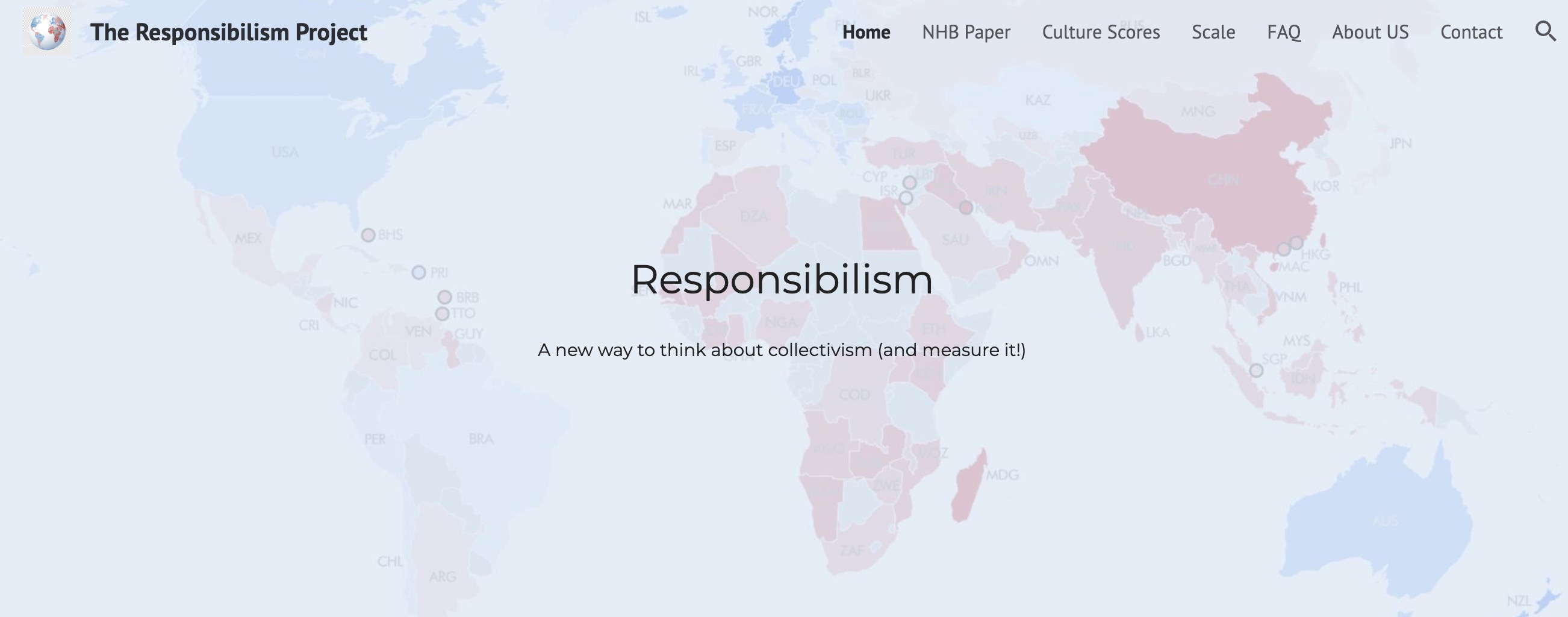
American University of Mongolia’s Robert Ritz collected the Mongolian data for a study of 12,247 people across 100 cultures, published in Nature Human Behaviour on 15 September 2026. The study proposes a more precise way to understand collectivism: the obligations people feel toward family and close friends.
Collectivism is often described as putting the group before the individual. But many surveys measured it with statements about enjoying other people’s company. Consider the difference between “To me, pleasure is spending time with others” and “We should keep our aging parents with us at home.” The first describes enjoyment; the second describes an obligation that may require personal sacrifice.
The researchers call this emphasis on duties in close relationships “responsibilism.” It also distinguishes close relationships from distant ones: strong obligations to family and friends can coexist with less trust toward strangers.
Using a 14-item questionnaire translated into 45 languages, the team found clearer cultural differences than commonly used earlier measures. Scores also corresponded more closely with independent indicators such as living with extended family and the strength of kinship ties. The findings suggest that separating social enjoyment from relationship duties helps explain why earlier surveys produced inconsistent results.
Mongolia’s sample scored 63.3 on the study’s rescaled 0–100 index, compared with 93.9 for China and 40.9 for the United States. Higher scores reflect stronger duties to family and close friends alongside weaker ties to strangers.
The final Mongolian sample included 125 students in Ulaanbaatar. Across the study, participants were mainly students, so the results should not be treated as nationally representative.
Read the full study: https://www.nature.com/articles/s41562-026-02525-1
The questionnaires and data: https://osf.io/3jxws/overview